Managing eczema can be challenging. Current treatments may not work for everyone and may cause side effects or become less effective.
That’s why we’re researching another potential option designed to target 3 parts of the immune system at the same time. We want to learn if the study medicine helps to better control eczema symptoms such as itchiness and discomfort and leads to clearer skin.
By taking part, you could help us evaluate this study medicine and contribute to research aiming to improve the lives of people living with eczema.
Who may participate
This clinical trial is enrolling people who:
- Are 12 years of age or older
- Have had moderate to severe eczema for at least 1 year
- Have used topical medicines for eczema that have not worked well
Condition
Moderate to severe eczema (atopic dermatitis)
Age
12+ years
Each clinical trial has its own guidelines for who can participate, called eligibility criteria. However, only the study staff can determine if you qualify to enroll in the study.
Get started — See if you may be eligible
Answer a 15-minute questionnaire.
A first step as you consider these studies is to answer a 15-minute online questionnaire about your health and medical history. If your answers show these studies might be a good fit for you, you may choose to be referred to a study clinic that you select.
Speak with a study representative.
If you’re interested, you will then be asked to provide your contact information for a study representative to contact you and discuss the next steps.
Confirm your eligibility.
Your answers to these questions will only be linked to you if your responses indicate that you may be eligible to participate in these studies and you choose to share your contact information with the study team. Pfizer study team members and our partners will have access to reports containing aggregated data that will not be directly linked back to you. Only the study staff can determine if you meet the study's eligibility criteria and are able to enroll in the study.
What to expect
If you qualify and decide to participate, you will be assigned by chance (like flipping a coin) to receive either the study medicine, an approved eczema treatment, or a placebo. The placebo looks like the study medicine but does not contain any active ingredients. Neither you nor the study team will know which you are receiving.
The study medicine, the approved medicine, and the placebo will be given by injection under the skin (subcutaneous) every 2 weeks for the first 6 months and every 4 weeks for the remainder of the study treatment period.
You will have a follow-up visit about 3 months after the study treatment period, OR you will have the option to receive the study medicine (no placebo) in an extension study.
All participants in this clinical trial will receive:
- Study-related tests and study treatments at no cost
- Care from a dedicated team of specialists
- Reimbursement for any reasonable expenses you may have as a result of taking part in a clinical trial, such as parking and travel-related expenses
Length of study treatment
12 months
Number of study visits
About 23
Follow-up
An extension study (no placebo) will be an option after your last dose.
About the study medicine
The study medicine is a type of biologic (made from living cells) called a trispecific, thought to work by blocking 3 different targets that cause the immune system to create unnecessary inflammation underneath your skin.
Most eczema treatments today focus on only 1 or 2 parts of the immune system linked to inflammation and itching.
By targeting 3 parts, we want to learn if the study medicine reduces the itchiness and discomfort associated with eczema and leads to clearer skin and greater control.
Together we can make a difference
Participation by people of all backgrounds is critical to advancing treatment options for eczema. The greater the representation among clinical trial participants, the more we learn about the study medicine and how it works for different people. Including people from all backgrounds helps us develop potential treatments that are more likely to be effective for everyone.
Your participation and commitment could make a difference for you and others who are working to manage their eczema.

About moderate to severe eczema (atopic dermatitis)
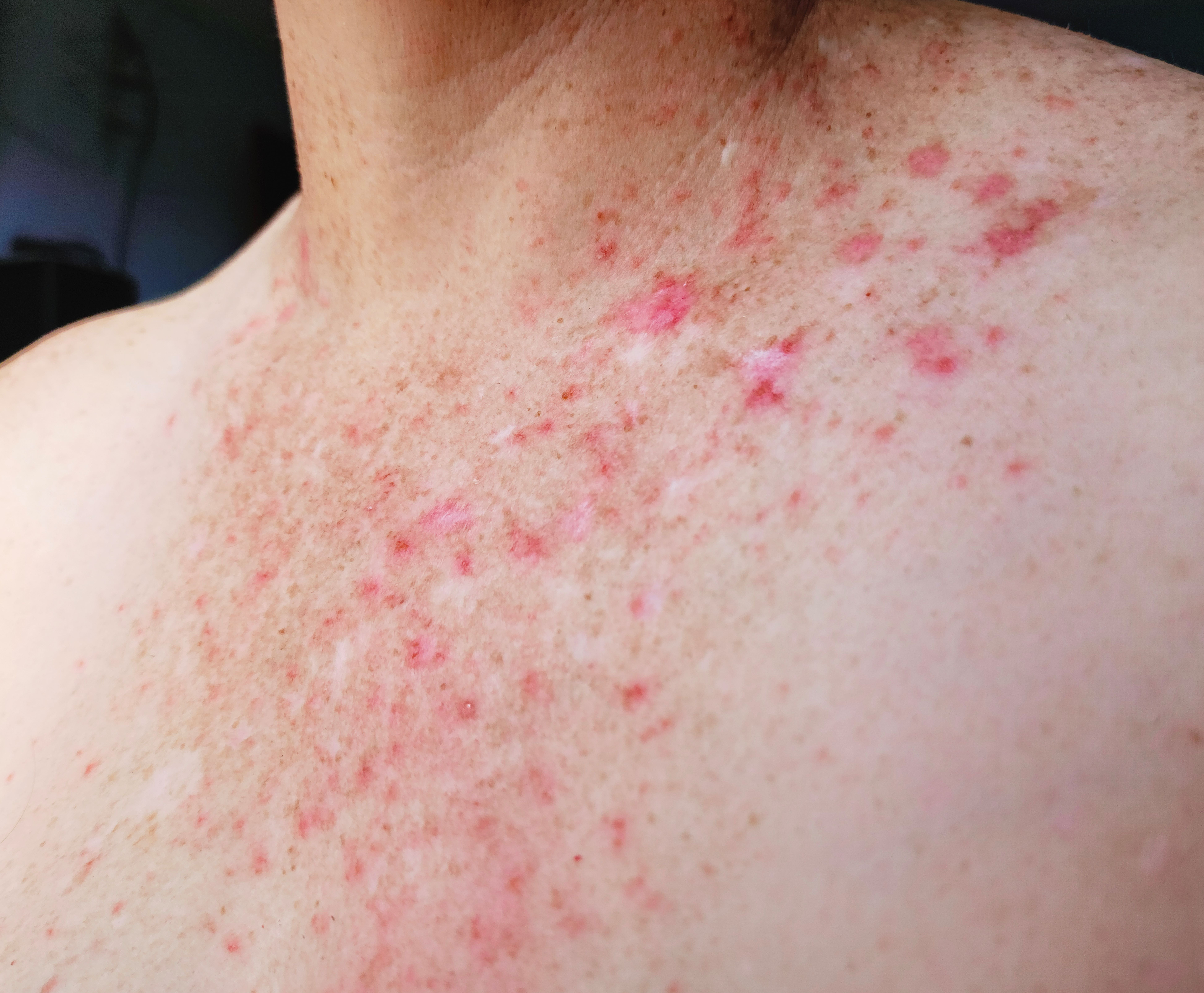
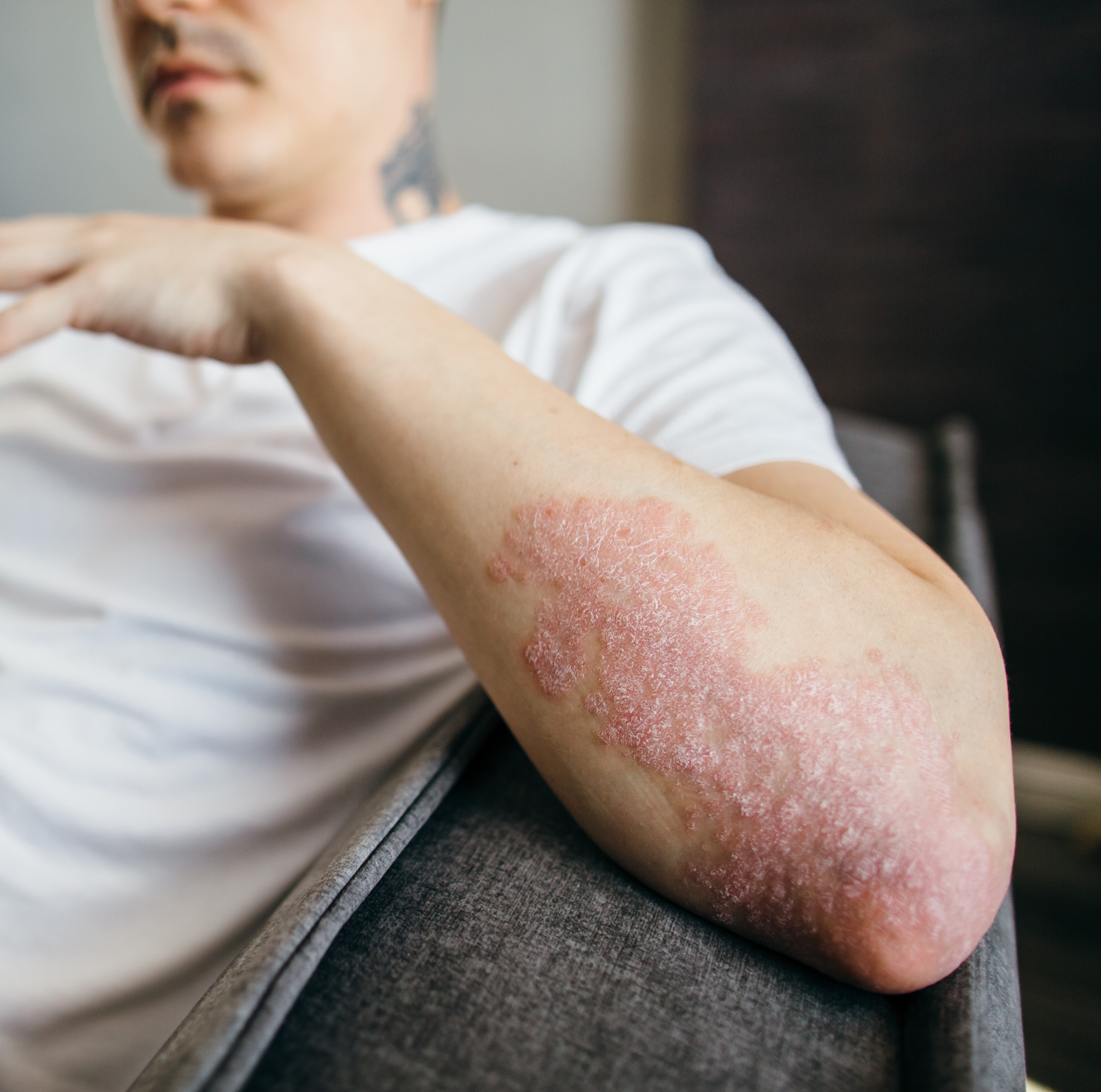
Moderate to severe eczema is a long-term condition. It happens when your immune system reacts too strongly to triggers around you, causing swelling under the skin. This can lead to itching, dryness, cracking, pain, or infection.
Symptoms may come and go overtime. This type of eczema often affects large areas of the body (about 10% or more) and can make it hard to sleep, focus, or get through your day. Treatments can help, but many people still try different options to find relief.
Frequently asked questions
You may have noticed that different people use different names for this skin condition. There are many types of eczema with different symptoms, causes, and treatments. The most common one is “atopic dermatitis,” which some call “AD,” or you may have another type of eczema, such as “neurodermatitis” or “seborrheic dermatitis.” However, most people just call it “eczema.”
All study-related medical care, the approved medicine, and the study medicine will be provided at no cost. You may also be paid back for any reasonable expenses you may have as a result of taking part in a clinical trial, such as parking and travel-related expenses.
Yes, you will randomly be assigned (like flipping a coin) to receive the study medicine, an approved eczema medicine, or a placebo. A placebo looks like the study medicine but contains no active medicine.
You will have a 2 in 5 (40%) chance of receiving the study medicine, a 2 in 5 (40%) chance of receiving the approved eczema medicine, and a 1 in 5 (20%) chance of receiving the placebo.
A placebo looks like the study medicine but contains no active medicine. Researchers use a placebo to see if the study medicine works better or is safer than taking another medicine or nothing.
No. Neither you nor the study team will know which study treatment you are receiving.


