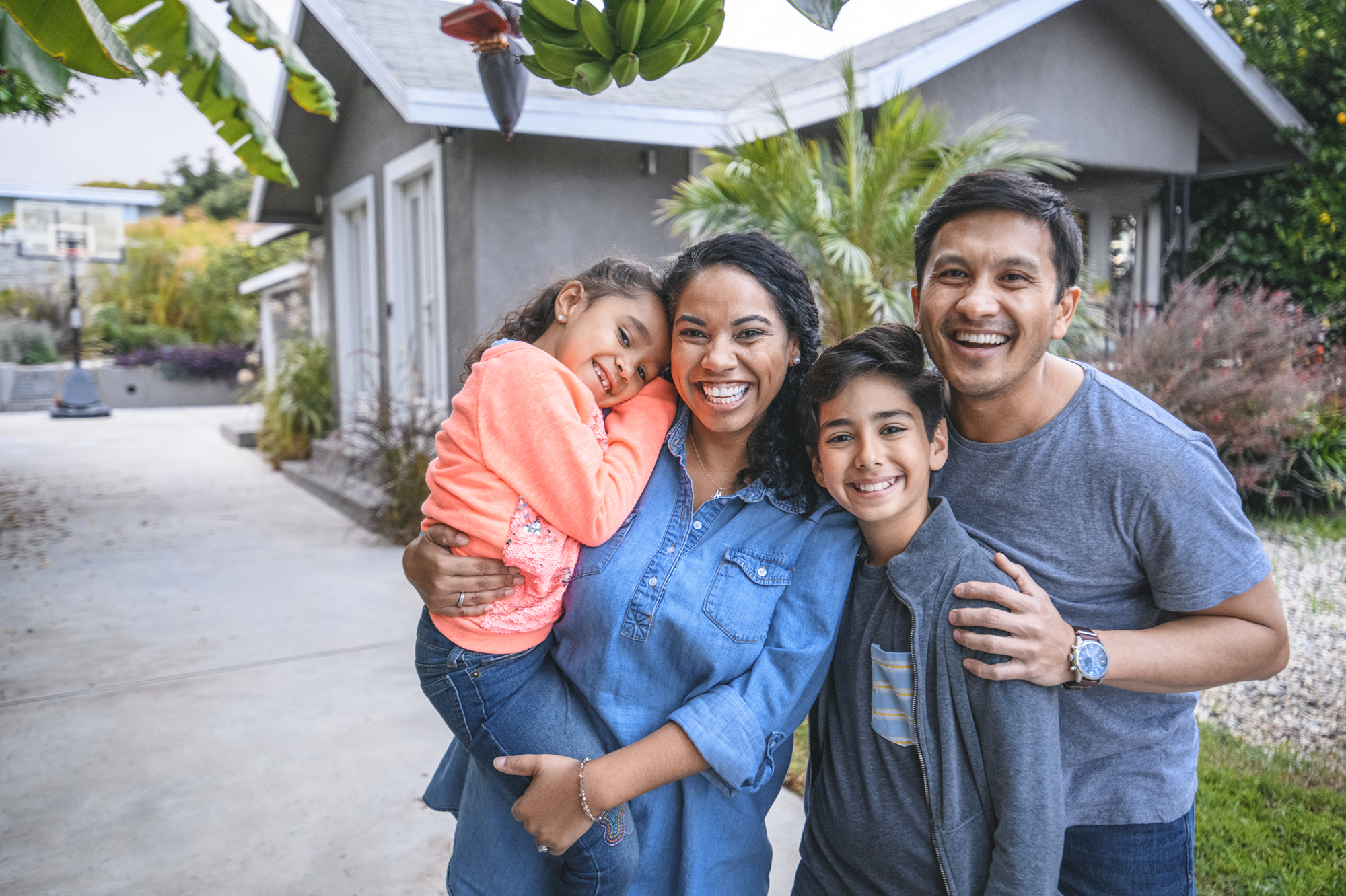
Race, ethnicity, age, and sex can affect how people respond to the same medicine or vaccine. That’s why it’s important to include people from many different backgrounds in clinical trials. When a trial has a diverse group of participants, researchers can better understand how safe and effective a medicine or vaccine is for different populations affected by the diseases we want to treat or prevent. This helps reduce health gaps and improves the development of medicines and vaccines for everyone.
Historically underrepresented
Historically, groups of people have not been well represented in clinical trials due to challenges that make it hard for people to join. Some of these challenges include:
Lack of trust in the medical system because of past discrimination and mistreatment of some communities when conducting research.
Financial barriers such as not having health insurance, paying for travel to the study, or taking time to join a clinical trial.
Not knowing about clinical trials because they are not offered everywhere, people may not understand their options, and language or cultural differences may make it more difficult to learn more about them.
Overcoming these challenges will take time. As members of the healthcare community, we are committed to developing solutions to improve access and create better awareness to clinical trials.

Protections for clinical trial participants
In the past, some people were treated unfairly in research, which led to changes in laws to make sure clinical trials are safe and ethical. Today, all clinical trials must follow Good Clinical Practices (GCPs). This is an international set of rules that helps make sure trials are done the right way and that participants come first.
As part of GCP, institutional review boards (IRBs) or independent ethics committees (IECs) watch over clinical trials to protect participants’ rights, safety, and well-being. These groups are independent and include scientists, doctors, and others. They:
- Review a clinical trial’s design and any updates.
- Check the information given to participants.
- Decide if the clinical trial can start, needs changes, or should not happen.
IRBs and IECs also make sure the informed consent process is fair. Informed consent means participants get all the details about the study, including possible risks and benefits, and have the opportunity to ask questions before deciding if they want to join.
Our commitment to equity in clinical research
At Pfizer, we are committed to creating change for the better by doing our part to make a more inclusive future for clinical research and by fostering trust within all communities. We do this through:
- Designing our clinical trials so that the people who participate represent the populations affected by the diseases we want to treat or prevent.
- Ensuring information about our clinical trials is accessible and understood.
- Removing practical challenges that make it difficult for people to learn or participate in clinical trials.
- Partnering with trusted groups and communities to educate and raise awareness about clinical trials.
Be represented
Ensuring all people are represented in clinical trials is a matter of equity. Everyone deserves a chance to raise their hand and participate, contribute, and ultimately help people in their communities.
The choice to participate in a clinical trial is a personal one and should be made together with your doctor and your support network, including family and friends. More information about clinical trial participation can be found in the resources below, and all registered clinical trials can be found at ClinicalTrials.gov.
Together, we can build healthier communities.

Refine your search
Helpful resources to learn more about clinical trials
The Center for Information and Study on Clinical Research Participation (CISCRP) is a nonprofit organization dedicated to helping people better understand clinical trials. Explore the resources below to learn more about the clinical trial process, including the rights and responsibilities you would have as a participant and what participation might be like.


